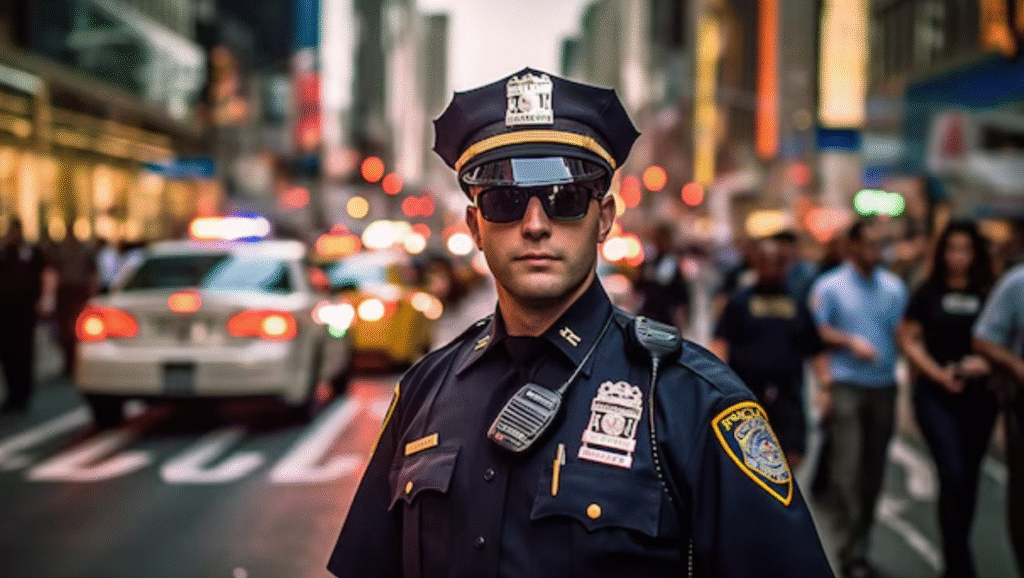
Once physiological needs are met, the Sparksphere seeks stability, physical, emotional, financial, and environmental. These Safety Needs form the scaffolding that allows energy to stabilize and flow. In the Human Atmosphere, safety is not just instinctual; it’s architectural. From hearths and villages to institutions and rituals, humans have co-constructed environments of mutual assurance.
Unlike animals who rely on thorns, shells, or burrows, humans extend safety through community. The hearth wards off cold and predators. The village offers watchful eyes and shared resources. Culture provides norms, language, and rituals that signal belonging and reduce threat. These structures are fractal extensions of care, evolving yet enduring, passed from generation to generation.
A stable paycheck or a reassuring glance doesn’t just meet a need, it modulates the emotional weather of the Sparksphere. Safety is not merely defense, it’s resonance. It’s the hum of trust that allows Sparks to emerge and circulate.
Memes at the Security Layer: The Architecture of Anxiety
In the Human Atmosphere, safety is shaped by perception, and perception is shaped by memes. Unlike Chee on Jungle Island, whose sense of safety is grounded in direct experience, humans navigate a memetic terrain of imagined threats.
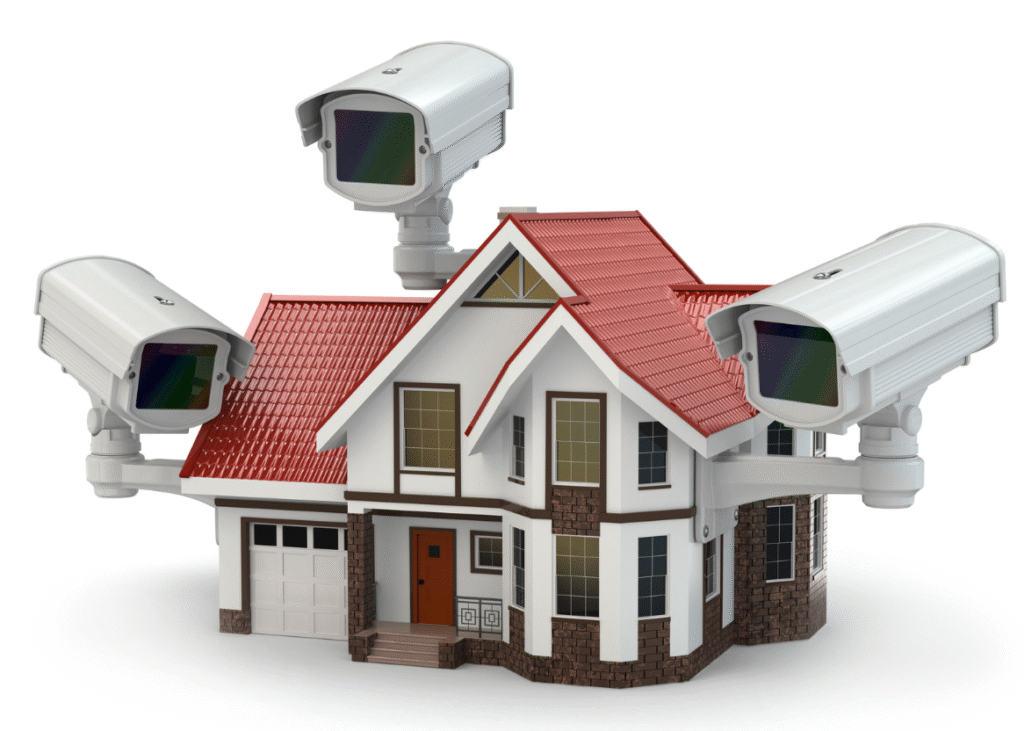
Crime stories, cultural warnings, and viral misinformation circulate as memes, amplifying fear beyond statistical reality. These memes hijack cognition, embedding themselves deeply in the Sparksphere. Yet not all are destabilizing. Rituals of reassurance—locking doors, checking the weather, saying “text me when you get home”—create emotional scaffolding. They modulate the Sparksphere’s weather, offering rhythm and predictability.
But when memetic safety outpaces actual Sparks, anxiety grows. We fear airplane crashes more than car accidents, install elaborate security systems in peaceful neighborhoods, and avoid foods based on misinformation. This is the paradox: the more we try to secure ourselves through memes, the more anxious we may become.
Apply & Observe: What Memes Shape Your Sense of Safety?
- Think of a time when you felt unsafe. Was the threat immediate or imagined?
- What memes were active in your mind? (e.g., news stories, cultural scripts, personal memories)
- Did those memes match the Sparks around you?
- What rituals do you follow to feel secure? Are they based on direct experience or inherited scripts?
- What memes could you release to return to your Stillpoint?
Sparksphere Safety Needs: Fusion for Stability
Within the Sparksphere, Fusion becomes anticipatory. Attention fuses with Sparks of risk, uncertainty, and vulnerability. The Stillpoint that forms is protective, a geometry of caution, control, and resource-seeking.

But many Stillpoints emerge from memetic overlays: “lock your doors,” “trust the experts,” “prepare for the worst.” These may override actual conditions, creating Fusion based on imagined risks. The Sparksphere must ask: Is this Stillpoint grounded in my terrain or inherited from the field?
Safety in the Human Atmosphere: The Structural Shield
Safety in the Human Atmosphere is not just personal, it’s systemic. It includes:
- Physical safety: law enforcement, emergency services, building codes
- Health & sanitation: regulations, inspection agencies
- Property & finance: ownership laws, insurance, fraud protection
- Justice & fairness: courts, civil rights, legal frameworks
These systems form the protective membrane of the Human Atmosphere. When they work well, Sparkspheres relax and grow. When they fail, through corruption, inequality, or neglect, the atmosphere becomes turbulent. Safety is replaced by vigilance. Trust erodes.
Apply & Observe: How Do You Experience Safety in the Atmosphere?
- Which atmospheric structures do you trust, and which do you question?
- How does your sense of safety affect your ability to participate, create, or connect?
- Where do you contribute to the atmosphere’s stability, and where do you feel its instability?
Scale Matters: Turbulence Is a Pattern, Not a Person
We often respond to instability by pointing to individuals: “That politician is corrupt,” “That employer is discriminatory.” But these are expressions of turbulence, not its origin. Corruption, inequality, and neglect require nested conditions: blind spots, incentives, silence, and cultural rhythms.
In the Fractal Universe, scale matters. Individual actions are nodes, not origins.
Apply & Observe: What Scale Are You Responding To?
- Consider a situation where you’ve witnessed or experienced injustice.
- Was your response aimed at a person—or at a pattern?
- What conditions allowed this behavior to emerge?
- How might you contribute to atmospheric coherence, rather than just Sparksphere correction?