
We often talk about “survival of the fittest” as if fitness were the prize and survival the proof. But through the fractal lens, the relationship reverses. Survival is not the reward for fitness — survival is the condition that allows fitness to keep unfolding.
Survival is what keeps the pattern open long enough for transformation to occur. It is the ongoing permission for a system to refine itself, reorganize itself, and respond to the pulls acting on it from every direction.
In a fractal world, nothing stands alone. Every organism, behavior, and lineage is nested inside a larger network of interdependence. When one part shifts, another part must stretch, compensate, or transform. This is where Fractal Pull becomes visible: the system reorganizes to close the gap, to metabolize the new condition, to maintain coherence.
Darwin saw this in the ground-feeding birds whose beaks grew larger once nuts became available. The nuts created a gap — a new resource, a new challenge — and the birds’ bodies reorganized to meet it. Survival kept the lineage present long enough for the transformation to take hold.
But this is only one example of a deeper principle: survival exists for fitness’ sake. Here are the ways this becomes visible when we zoom out.
Survival preserves continuity — the time needed for refinement

A system that persists gains time, and time is the medium in which fitness sharpens itself. Every generation is another iteration. Every season is another chance to tune the pattern.
Survival is the temporal scaffolding that allows fitness to deepen.
Survival maintains the network fitness depends on
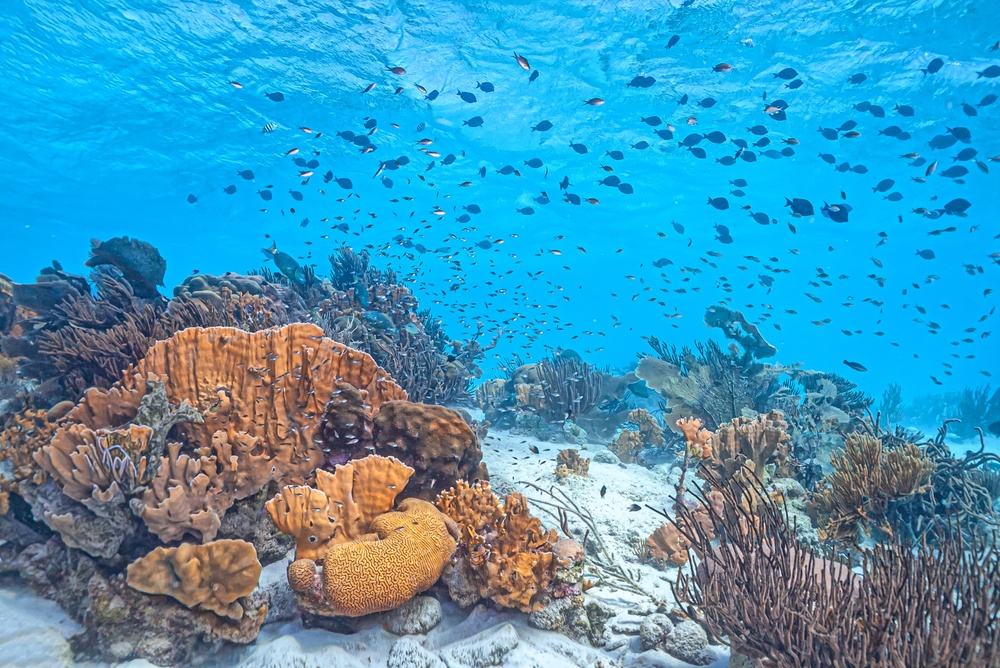
Fitness is never individual. It is ecological, relational, infrastructural. When something survives, it keeps its node active in the network — the pollinator, the predator, the microbe, the seed.
Survival maintains the architecture that fitness emerges from.
Survival allows systems to metabolize contrast

Every new tension — scarcity, abundance, disruption — becomes raw material for adaptation. A system that survives long enough encounters more contrast, and contrast is what shapes capability.
Survival keeps the system in the game long enough to learn.
Survival protects the memory of the lineage
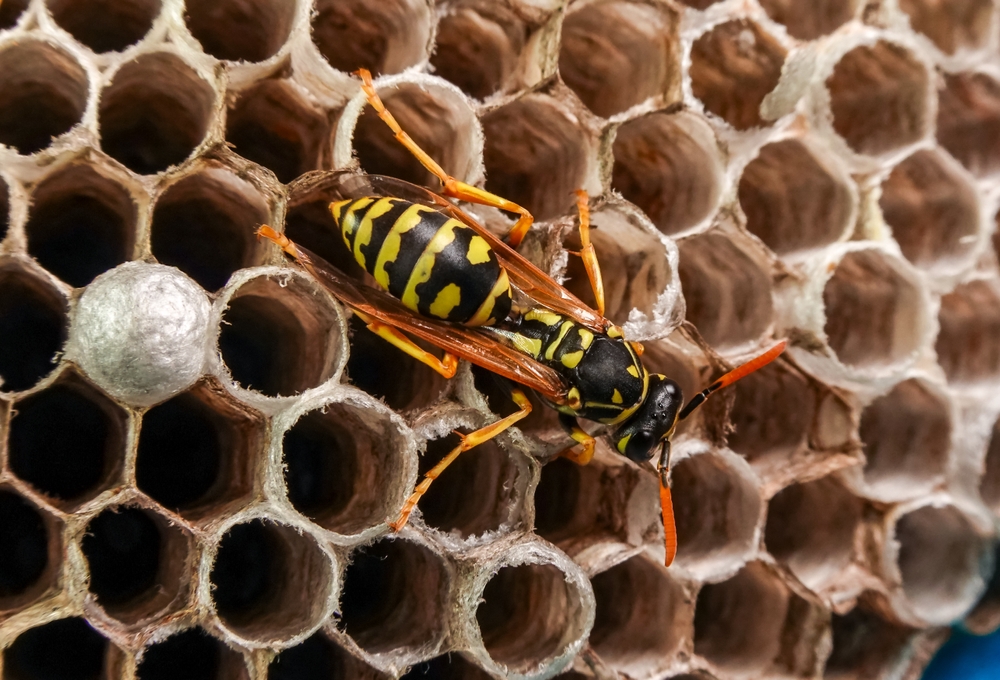
Fitness is not only about the present moment. It is about inherited patterning — genetic, behavioral, cultural, ecological.
Survival preserves the memory that becomes the starting point for the next iteration.
Survival creates the buffer for experimentation
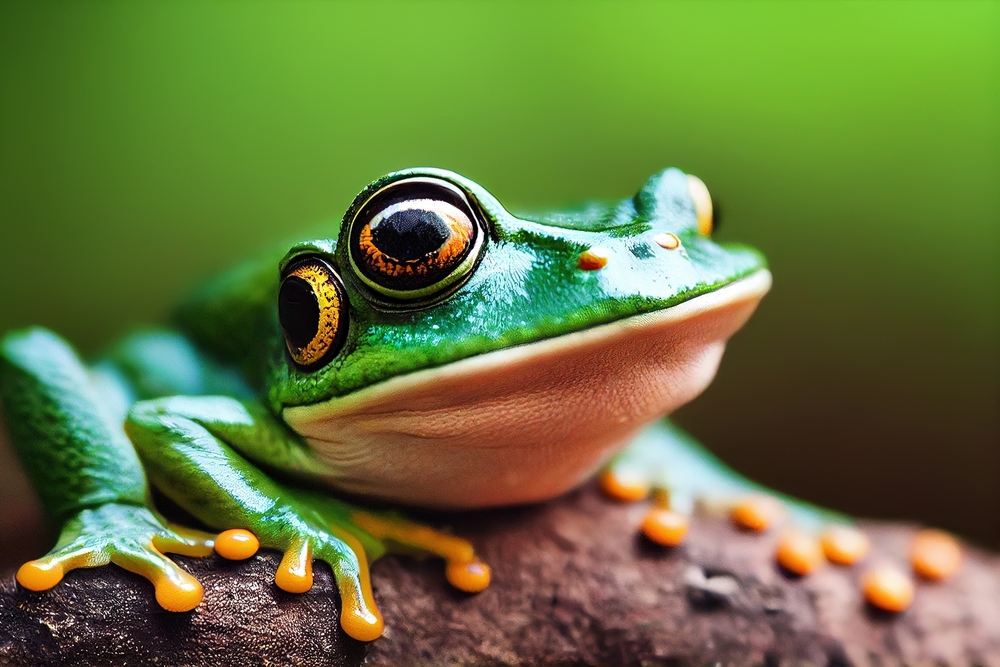
Once basic stability is secured, systems can explore. They can try new behaviors, expand into new niches, form new partnerships.
Survival creates the slack in the system where novelty can emerge.
Survival allows for error tolerance and correction
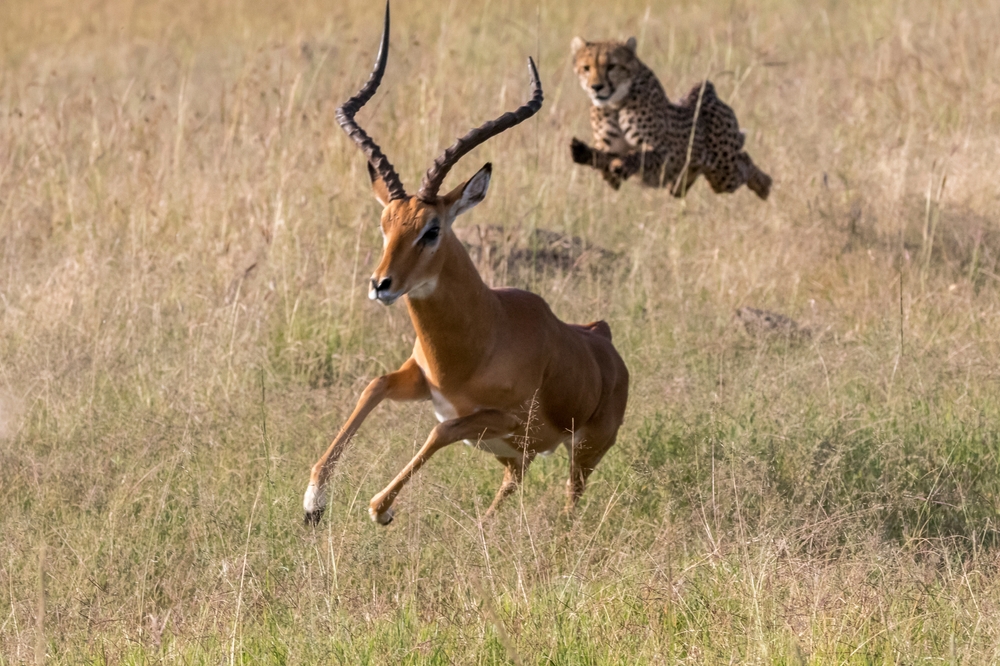
Fitness is not a straight line. It is a recursive dance of trial, error, and recalibration. A system that survives its own mistakes can reorganize and try again.
Survival is the forgiveness layer that keeps the fractal from shattering.
Survival keeps the system available for future pulls
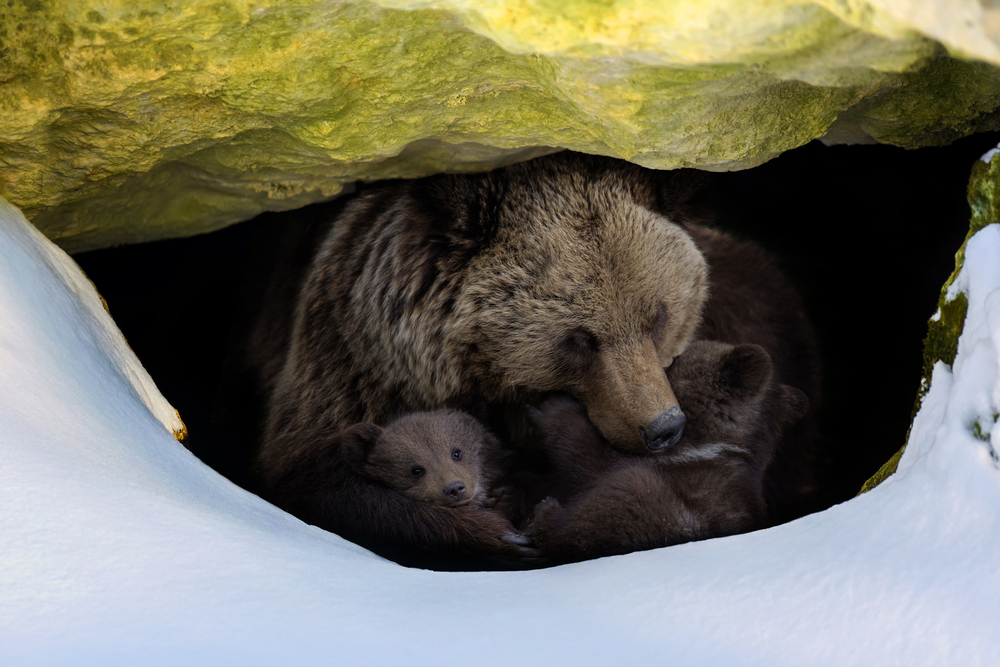
Not all transformations are triggered by present conditions. Some are waiting in the wings — latent possibilities, future resources, new climates, new relationships.
Survival keeps the lineage available for pulls it cannot yet perceive.
Survival maintains the tension that drives transformation
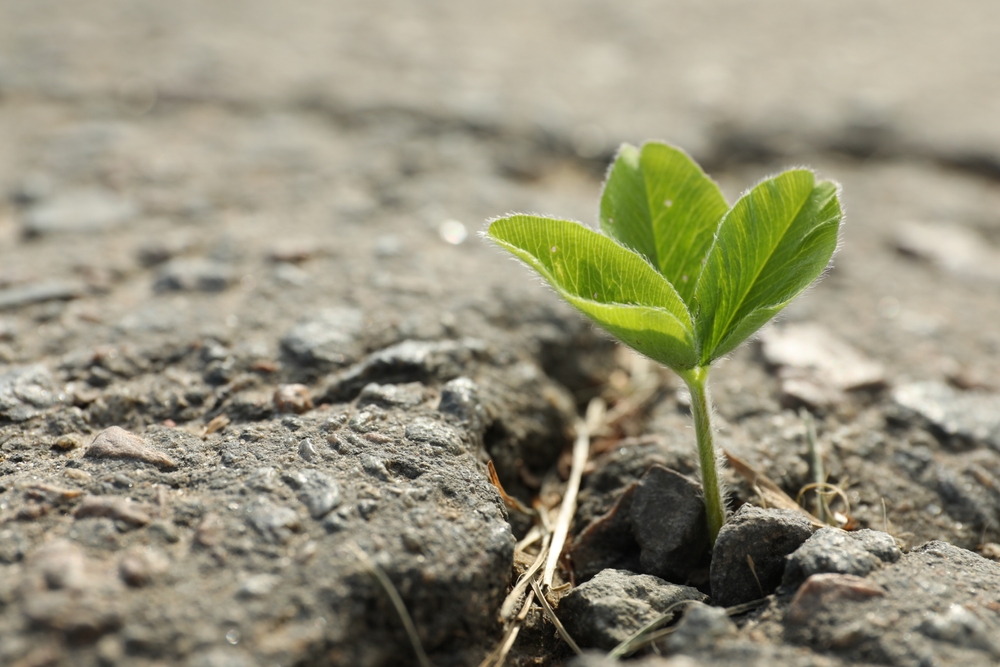
Life is always balancing between stability and change. Survival maintains the ongoing tension between what the system is, what the environment asks, and what the future pulls toward.
This tension is the engine of fitness.
Survival allows the system to become a resource for others

A surviving organism becomes food, shelter, symbiotic partner, stabilizer, ancestor. Its survival contributes to the fitness of others, which loops back into its own.
Survival is generative.
Survival keeps the fractal open
This is the heart of it. A system that survives remains open — to influence, to recombination, to transformation, to becoming.
Survival is the ongoing permission for the fractal to keep unfolding.
Fitness is not a static trait. It is a living relationship between a system and its conditions. Survival is what keeps that relationship alive long enough for the next transformation to occur.
In this way, survival is not the end of the story. It is the beginning of every new chapter.
Apply & Observe:
Take a moment to notice one place in your life where you are simply persisting — continuing, holding, staying present.
Look gently at that place and ask:
What new form of fitness is this survival making possible? Is it giving you time to refine something? Is it preserving a relationship or memory you’ll need later? Is it creating space for a future pull you can’t yet name?
Let your attention rest on the subtle ways survival is already shaping your next transformation.
Click here to explore Survival for Fitness’ Sake in the Journal Portal.