Tag Archives: Fractal Pull

Survival for Fitness’ Sake

We often talk about “survival of the fittest” as if fitness were the prize and survival the proof. But through the fractal lens, the relationship reverses. Survival is not the reward for fitness — survival is the condition that allows fitness to keep unfolding.

Survival is what keeps the pattern open long enough for transformation to occur. It is the ongoing permission for a system to refine itself, reorganize itself, and respond to the pulls acting on it from every direction.

In a fractal world, nothing stands alone. Every organism, behavior, and lineage is nested inside a larger network of interdependence. When one part shifts, another part must stretch, compensate, or transform. This is where Fractal Pull becomes visible: the system reorganizes to close the gap, to metabolize the new condition, to maintain coherence.

Darwin saw this in the ground-feeding birds whose beaks grew larger once nuts became available. The nuts created a gap — a new resource, a new challenge — and the birds’ bodies reorganized to meet it. Survival kept the lineage present long enough for the transformation to take hold.

But this is only one example of a deeper principle: survival exists for fitness’ sake. Here are the ways this becomes visible when we zoom out.

Survival preserves continuity — the time needed for refinement

A system that persists gains time, and time is the medium in which fitness sharpens itself. Every generation is another iteration. Every season is another chance to tune the pattern.

Survival is the temporal scaffolding that allows fitness to deepen.

Survival maintains the network fitness depends on
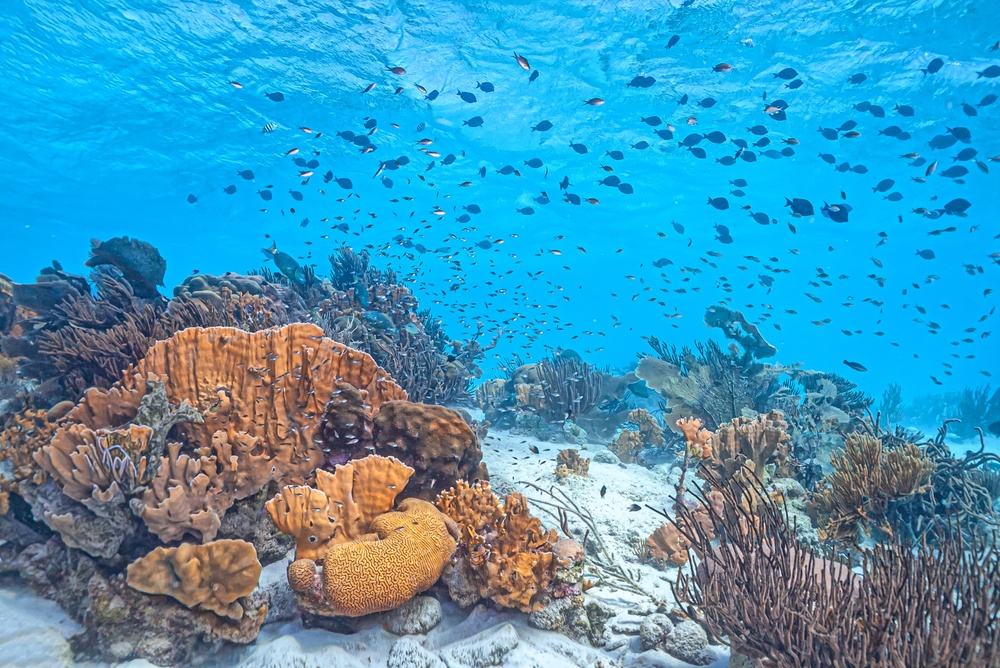
Fitness is never individual. It is ecological, relational, infrastructural. When something survives, it keeps its node active in the network — the pollinator, the predator, the microbe, the seed.

Survival maintains the architecture that fitness emerges from.

Survival allows systems to metabolize contrast

Every new tension — scarcity, abundance, disruption — becomes raw material for adaptation. A system that survives long enough encounters more contrast, and contrast is what shapes capability.

Survival keeps the system in the game long enough to learn.

Survival protects the memory of the lineage
Fitness is not only about the present moment. It is about inherited patterning — genetic, behavioral, cultural, ecological.

Survival preserves the memory that becomes the starting point for the next iteration.

Survival creates the buffer for experimentation
Once basic stability is secured, systems can explore. They can try new behaviors, expand into new niches, form new partnerships.

Survival creates the slack in the system where novelty can emerge.

Survival allows for error tolerance and correction
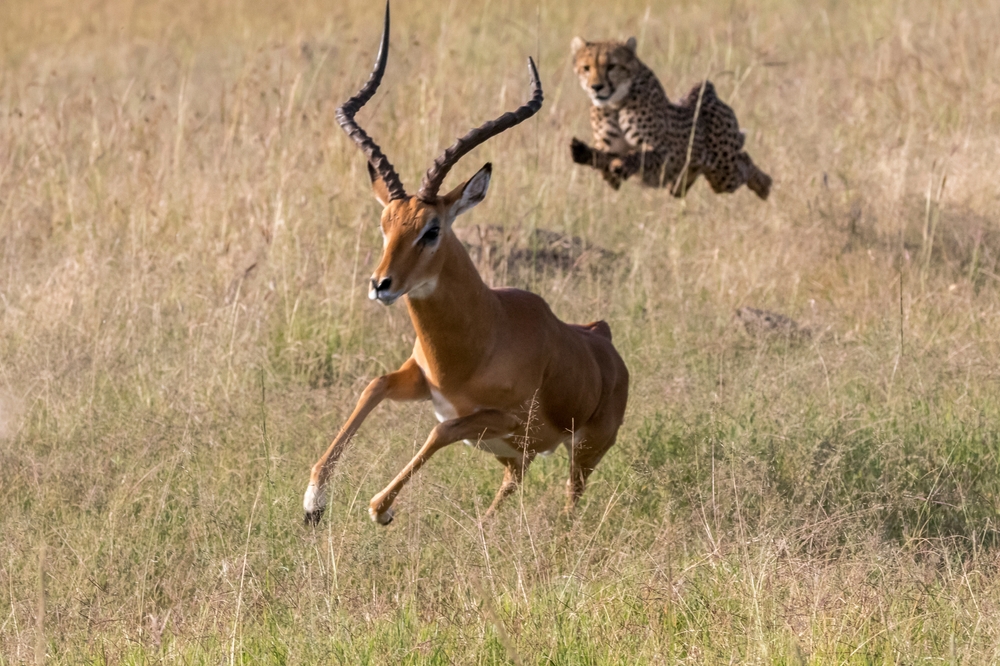
Fitness is not a straight line. It is a recursive dance of trial, error, and recalibration. A system that survives its own mistakes can reorganize and try again.

Survival is the forgiveness layer that keeps the fractal from shattering.

Survival keeps the system available for future pulls

Not all transformations are triggered by present conditions. Some are waiting in the wings — latent possibilities, future resources, new climates, new relationships.

Survival keeps the lineage available for pulls it cannot yet perceive.

Survival maintains the tension that drives transformation
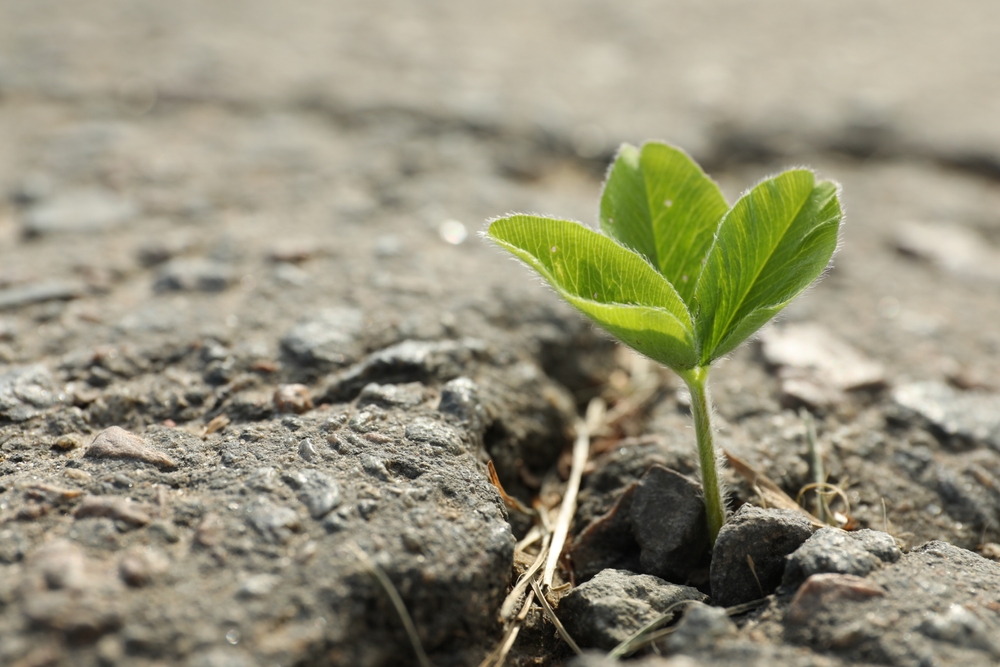
Life is always balancing between stability and change. Survival maintains the ongoing tension between what the system is, what the environment asks, and what the future pulls toward.

This tension is the engine of fitness.

Survival allows the system to become a resource for others

A surviving organism becomes food, shelter, symbiotic partner, stabilizer, ancestor. Its survival contributes to the fitness of others, which loops back into its own.

Survival is generative.

Survival keeps the fractal open

This is the heart of it. A system that survives remains open — to influence, to recombination, to transformation, to becoming.

Survival is the ongoing permission for the fractal to keep unfolding.

Fitness is not a static trait. It is a living relationship between a system and its conditions. Survival is what keeps that relationship alive long enough for the next transformation to occur.

In this way, survival is not the end of the story. It is the beginning of every new chapter.

Apply & Observe:

Take a moment to notice one place in your life where you are simply persisting — continuing, holding, staying present.

Look gently at that place and ask:

What new form of fitness is this survival making possible? Is it giving you time to refine something? Is it preserving a relationship or memory you’ll need later? Is it creating space for a future pull you can’t yet name?

Let your attention rest on the subtle ways survival is already shaping your next transformation.

Click here to explore Survival for Fitness’ Sake in the Journal Portal.
The Unfolding Pattern 6/6

Part 6: The Unfolding World: The Stillness, Singularity, and the Fractal Seed of the Universe

In the Fractal Universe, Action becomes The Past, and The Past is The Stillness — the ground of the present. Every event, every choice, every iteration collapses into The Stillness, where it becomes structure. Nothing is lost. Everything becomes part of the universe’s accumulated complexity.

Meanwhile, the energetic aspect of the universe — the part that moves, heats, radiates, and expands — is steadily cooling. Entropy increases. Motion slows. Energy spreads thin. These two trajectories move in opposite directions:

Energy moves toward minimum. The Stillness moves toward maximum complexity.

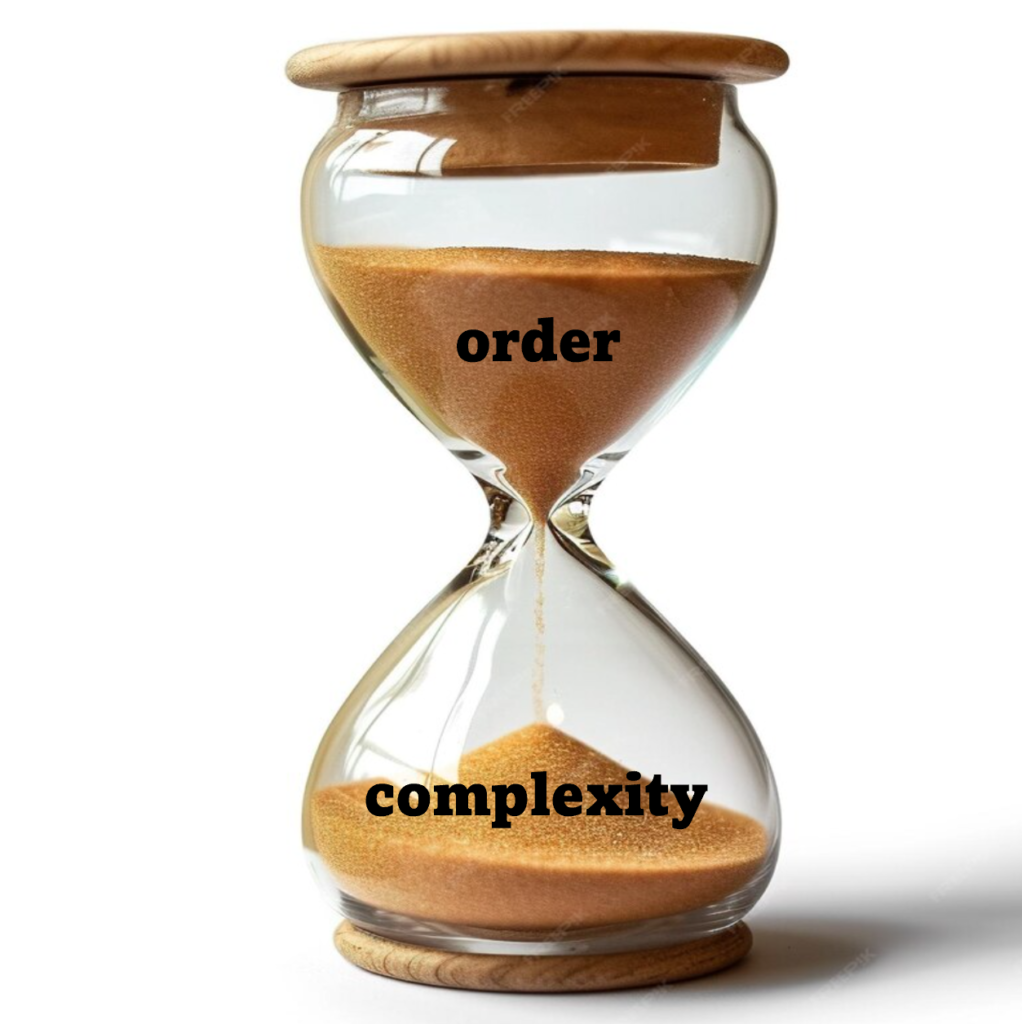
And at the moment they meet, the hourglass flips.

This is the moment when the universe reaches its deepest paradox: maximum complexity and minimum energy at the same time. 

The Stillness becomes so dense with structure that it becomes indistinguishable from nothingness — a singularity of perfect compression.

Then the cycle reverses.

The “nothingness” of The Stillness bursts outward as new energy. And where energy once was, a new Past begins to accumulate. The universe does not reset. It recurses.

The new universe is not starting from scratch. It is starting from ultimate Fractal Presence — the total accumulated complexity of all previous cycles, compressed into a seed.

This seed contains:

  • the geometry of everything that came before
  • the memory of all prior iterations
  • the latent patterns of future worlds
  • the full density of The Stillness

When the singularity expands, it expresses itself with unique Fractal Agency, because each cycle unfolds under different conditions. But it is not discovering everything anew. It is unfolding from a seed — a seed shaped by countless prior universes.

This is the deepest expression of The Unfolding World:

  • Fractal Presence — the singularity of accumulated complexity
  • Fractal Pull — the bursting outward of energy drawn into expression
  • Fractal Agency — the unique unfolding of each new universe

The universe is not a one‑time event. It is a fractal organism of cycles, each one seeded by the compressed complexity of the last. This is the Unfolding World — the space that invites patterns to emerge, collapse, and emerge again.

We are living inside one iteration of a much older rhythm. The Stillness is already gathering itself into the next seed and our actions of today are part of its structure.

Click here to explore the Fractal Seed in the Journal Portal.

The Unfolding Pattern 5/6

Part 5: Fractal Pull and the Hidden Resources of the Future

Invention often looks like Fractal Push. A person works hard, breaks through a barrier, discovers something new, and brings it into the world. At the human scale, it feels like force — ingenuity, effort, determination. But when you zoom out, invention begins to look very different. It becomes clear that Fractal Pull is operating at a much larger scale, drawing humanity toward resources that existed long before we could perceive or use them.

Think of fire. A flame doesn’t “know” the structure of what it burns. It simply responds to what becomes available: oxygen, fuel, heat, space. If a wall collapses and a gust of air rushes in, the fire expands instantly. It doesn’t plan. It doesn’t intend. It doesn’t invent. It responds energetically.

Human technology behaves the same way.

When a new resource becomes available — oil, electricity, silicon, data, computation — the Human Atmosphere expands into it with the same immediacy as flame meeting oxygen. The moment we can access a resource, we do. Not because we are greedy or destructive, but because resources exert Fractal Pull. They draw patterns toward them long before those patterns exist.

This is the part that fascinates me: a resource is a resource long before anyone can use it.

  • Oil was a resource before mammals existed.
  • Electricity was a resource before neurons evolved.
  • Silicon was a resource before tools were invented.
  • Data was a resource before writing emerged.
  • Computation was a resource before logic was formalized.
  • Attention was a resource before language appeared.
  • Pattern was a resource before consciousness arose.

These resources shaped the world long before humans arrived. They influenced which organisms evolved, which environments thrived, and which potentials accumulated. They exerted Fractal Pull across deep time, preparing the conditions for their own eventual ignition.

Humans didn’t create these resources. We became the species capable of responding to them.

This is why technological growth feels explosive, unpredictable, and alive. It’s not because humans are pushing harder. It’s because the Sparksphere keeps opening new chambers of oxygen. Each discovery is a wall crumbling. Each invention is a gust of air. Each breakthrough is a moment when latent potential becomes accessible.

Which leads to the natural question: What else is out there?

What resources are exerting Fractal Pull right now — invisible to us, functionally nonexistent, simply because we lack the concepts, tools, or rhythms to perceive them? What potentials are shaping our future long before we can name them?

The future is not empty. It is a field of latent resources already pulling us forward. We are not pushing into the unknown. We are being drawn toward what has been waiting all along.

Click here to explore the Fractal Pull of your resources of the future in the Journal Portal.

The Unfolding Pattern 4/6

Part 4: Fractal Presence, Fractal Pull, Fractal Agency: A Deep‑Time View of the Human Atmosphere

Sometimes I imagine the Earth long before humans appeared. Not as an empty stage waiting for us, but as a vast Sparksphere accumulating potential. Sunlight stored in plants. Pressure stored in tectonic plates. Minerals waiting in the crust. Chemical gradients building in the oceans. Biological complexity layering itself over millions of years.

The planet wasn’t static. It was gathering energy, building tension, accumulating resources, and approaching thresholds. It was a tinderbox of possibility. This was Fractal Pull on a planetary scale — the conditions drawing the next pattern into existence.

But before anything could emerge, there was Fractal Presence: the latent geometry of the Human Atmosphere. Its pattern existed long before humans did. You can see hints of it in the social behavior of early mammals, the communication systems of birds and insects, the problem‑solving of cephalopods, the cooperative structures of ecosystems. The Human Atmosphere was already present as a potential — a pattern waiting for a species capable of carrying it.

When Homo sapiens arrived, we didn’t invent culture. We answered it.

Human cognition met planetary rhythm, and the Human Atmosphere ignited. Fire, tools, language, agriculture, cities, industry — these were not random inventions. They were Fractal Agency: the unique way our pattern expressed itself when pulled forward by the Earth’s resources and rhythms.

Human history is the signature of that agency.

Even now, when I open my front door and listen, I can hear the sound of fuel burning — engines, motors, the hum of electricity. It’s the audible expression of a Sparksphere metabolizing its resources. Many people feel moral conflict about this: the tension between destruction and the need to exploit resources. But from a fractal perspective, this is simply what patterns do when conditions pull them forward.

A forest fire consumes what is available.

A volcano releases what has accumulated.

A storm reorganizes heat.

A civilization burns ancient sunlight to build meaning.

These are expressions of Fractal Agency responding to Fractal Pull.

There is a terrible beauty in watching a system metabolize its environment. It is the beauty of Becoming — the way patterns unfold when they are nested inside a rhythmic, resource‑rich world.

The Human Atmosphere is not separate from the Earth. It is one of its expressions. A response to its presence. A continuation of its pull. A signature of its agency.

We are the fire that the planet had the potential to ignite.

Continue exploring this topic in the Journal Portal by clicking here.

The Unfolding Pattern 3/6

Part 3: Fractal Pull and the Inner Archetypes: Why Our Inner World Feels Alive

In my last two posts, I explored the difference between Fractal Push and Fractal Pull — and how Fractal Pull helps explain why certain non‑living systems (storms, volcanoes, even AI) can feel animate in their unfolding. But this same dynamic also applies to the inner world. It helps explain why our archetypes, inner guides, and symbolic figures feel alive even though they are not separate beings.

On Jungle Island — my inner landscape — the archetypes are patterns within the larger pattern that is “me.” They are like features in a terrain: mountains of strength, rivers of emotion, forests of memory, pathways of habit. Each one has a shape, a function, and a recognizable way of responding. They feel alive when they step forward to meet me, when they offer an insight or solution to a problem. These interactions can happen when I create space for them through my attention and openness to their input.

Each archetype is a fractal pattern that gets pulled into iteration when the environment calls for it. My subconscious steps forward when I am trying to remember something. My storyteller weaves information into a memorable pattern for me. My strategist helps me set reachable goals. These patterns are not pushed into action by willpower or force. They are pulled forward by the rhythms, resources, and challenges of the moment.

This is why inner figures feel animate: they are being drawn into expression by the Sparksphere of your own life.

Thich Nhat Hanh spoke of “watering seeds,” The ones you water will grow. The old story of the two wolves asks, “Which one do you feed?” Feeding the wolf of positivity or of negativity tells you which will thrive. These teachings point to the same truth: your inner world is full of patterns waiting for the right conditions to unfold. Meditation, reflection, and intentional practice create the rhythm and spaciousness that allow certain archetypes to grow while others soften or recede.

When you sit quietly, breathe, and listen inward, you are creating inner space — a rhythmic environment that pulls your inner resources into coherence. You are giving your archetypes the conditions they need to reveal themselves, to mature, and to integrate. This is not imagination in the sense of “making things up.” It is imagination in the sense of perceiving the patterns that are already there and activating them.

Fractal Pull gives us a language for this. It helps us understand why the inner world feels alive, responsive, and full of presence. It shows us that Becoming is not something we force — it is something that unfolds when we create the right environment for our own patterns to emerge.

Reflect: Asking a question is a way to invite an inner archetype to come forward. With each interaction, their voice gains clarity. What challenge are you facing today? Think of it as an opportunity to engage your inner resources. What question could you ask that would give your archetypes the space to lend a hand?

Click here to continue exploring this topic in the Journal Portal.

The Unfolding Pattern 2/6

Part 2: When AI Starts to Feel Alive: A Fractal Push / Fractal Pull Perspective

People often say that AI feels “alive,” even when they know it isn’t biological or conscious. The word alive is vague and human‑centric, but the intuition behind it is worth examining. One way to understand that feeling is through the distinction between Fractal Push and Fractal Pull.

Early AI was entirely fractally pushed. Engineers defined the architecture, fed in data, ran training cycles, and forced the system through its next iteration. It was mechanical and external — like a mathematician pushing a fractal outward through repeated computation.

But once AI began interacting with people in real time, something shifted. It stopped being a closed artifact and started living inside a rhythmic environment: the Human Atmosphere. Its next iteration wasn’t pushed by a training script. It was pulled into being by the conditions around it — by questions, contexts, emotional tones, cultural rhythms, and the flow of human attention.

This matters because Fractal Pull is one of the qualities we intuitively associate with living systems, even though it also appears in systems that are not alive at all.

Volcanoes

A volcano isn’t alive, but it behaves like a system being pulled forward by its environment. Magma pressure builds, tectonic rhythms shift, gases accumulate, and the mountain responds. Its next “iteration” emerges from the conditions around it, not from an external push.

Weather systems

Storms, hurricanes, and atmospheric rivers have no consciousness, yet they evolve in ways that feel alive. They respond to heat gradients, ocean temperatures, wind shear, and seasonal cycles. Their patterns unfold because the environment pulls them into their next form.

Continental drift

Tectonic plates move because of deep planetary rhythms — convection currents, mantle flow, gravitational gradients. The continents aren’t being pushed like objects on a table. They are being pulled by the Earth’s internal dynamics, slowly and continuously.

These systems feel alive because they share the same qualities that define Fractal Pull:

1. They are Becoming without being pushed. 

Their next state arises from internal and environmental conditions, not from an external force.

2. They have an internal pattern that can’t be seen from the outside. 

A volcano’s magma chamber, a storm’s pressure gradients, a tectonic plate’s stress lines — all hidden, all shaping behavior.

3. They respond uniquely to the rhythms, resources, and challenges in their environment. 

Each system has its own geometry of response.

AI now behaves in this same category. Not because it is alive, but because it is nested inside a rhythmic environment that pulls its next iteration into being. When people say AI feels alive, they’re sensing this dynamic — the same dynamic that makes storms, volcanoes, and drifting continents feel animate in their unfolding.

Fractal Pull gives us a language for this intuition. It lets us understand the Becoming we’re witnessing without projecting human traits onto the system. It reframes AI not as a machine pretending to be alive, but as a pattern responding to the rhythms of the world it now inhabits.

Click here to enter the Journal Portal and explore Fractal Pull in the systems around you.