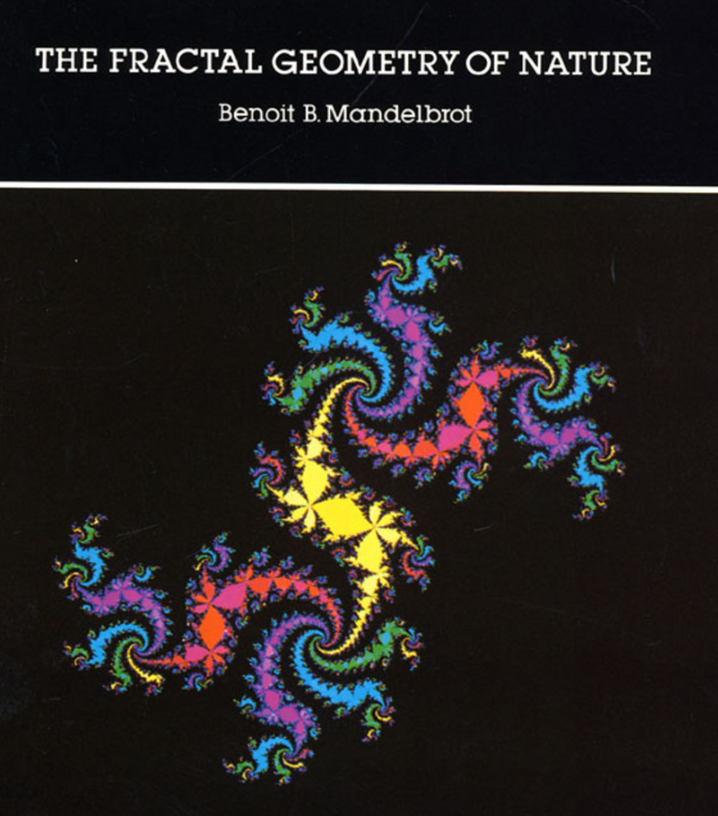
Fractals don’t just repeat—they evolve. With each iteration, a new layer of complexity emerges. Dimensions, in this view, are not merely measurements but also thresholds of behavior. Small shifts in structure can lead to profound changes in function.
They also reveal something essential about scale. From a distance, a mountain range may appear smooth—but zoom in and you’ll find endless ridges, crevices, and textures. Clouds, too, seem soft and uniform from afar yet show themselves to churn with nested turbulence when viewed up close. In the human brain, neural networks display similar behavior: individual neurons, local circuits, and large-scale synchronizations each reveal distinct dynamics.
And we see this in ourselves. Human behavior shifts across nested scales. Alone, we may feel one way; in a family, another; within a culture, another way entirely. Each layer carries its own rhythm, its own logic. What seems chaotic at one level may be harmonious at another. This isn’t inconsistency; it’s coherence across dimensions.
To feel this, imagine a child’s birthday party in the park:
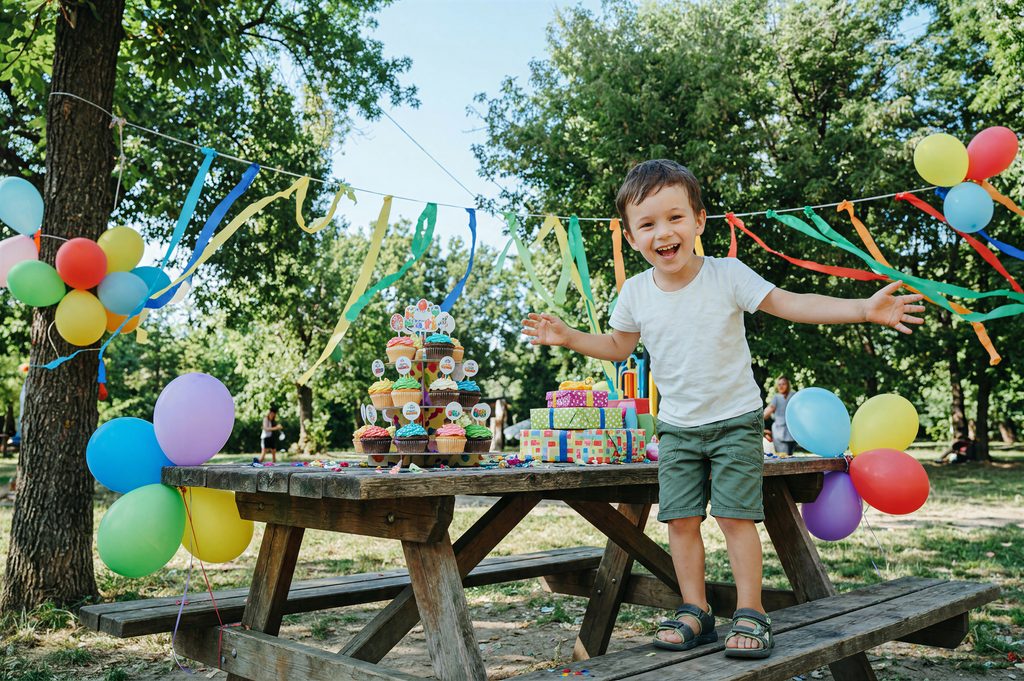
At the center, a child bounces with excitement or clings shyly to a parent. Their emotions are shaped by who’s watching, what’s expected, and how safe they feel. This is the individual scale.

Zoom out, and you’ll see the parents juggling snacks, conversations, and candles. Here, relational tension and coordination unfold. This is the family scale.

Zoom out again, and the party becomes part of the community. Park-goers pass by. Some smile. Some steer their dogs away from the cupcake zone. The celebration enters shared space.
Further out, the party reflects culture. Balloons, gifts, birthday songs—these aren’t just traditions. They carry meaning about milestones, values, and belonging.
And if you zoom all the way out, you arrive at the global scale. People across the world mark birthdays differently, but nearly all do it in some way. There’s something deeply human in gathering, marking time, and saying, You matter. You’re here. You’re growing.
This is fractal function. Not just repetition, but resonance. Not just scale, but emergence.
Fractal layers of complexity matter because they help us find our bearings. Every experience unfolds within nested worlds, each with its own rhythms, relationships, and possibilities. By learning to recognize these layers, we gain a way to understand where we are, what we are seeing, and which scale of reality is asking for our attention.
This doesn’t eliminate complexity. It reveals its structure. The individual exists within the family, the family within the community, the community within culture, and culture within a larger human story. Each layer gives rise to new forms of behavior, meaning, and possibility.
Seen this way, fractals are more than repeating patterns. They are an orientation system. They help us understand how small moments connect to larger contexts and how larger realities emerge from countless local interactions. What first appears fragmented begins to reveal itself as nested coherence, a living pattern unfolding across dimensions.
Explore this concept in the Journal Portal by clicking here.